
Exploring the natural, urban & cultural diversity of Los Angeles.
A place for young Angelenos to explore the city, gaining confidence, independence, and a sense of where they are, one journey at a time.
The Program
A classroom the
size of a city
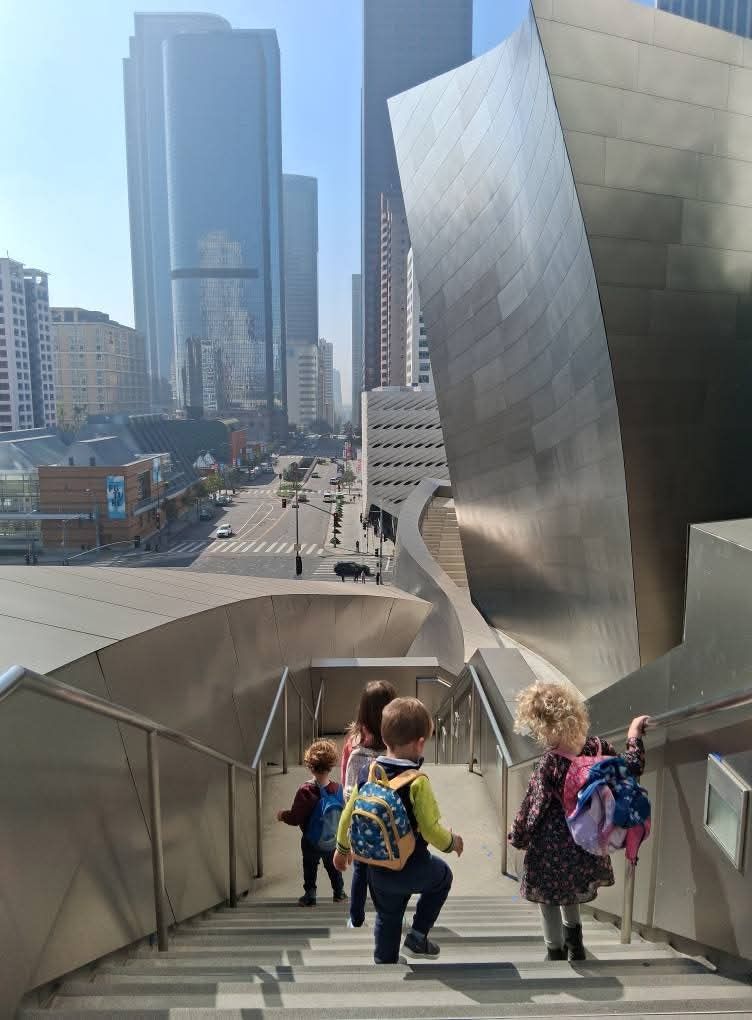
World Outside treats Los Angeles as the lesson. Each outing is a small expedition: a park, a creek, a museum, or a downtown plaza, reached by public transit and read like a living text.
The aim isn't only to broaden horizons and encourage cultural exchange. It's the inward growth that comes with real-world adventure: confidence, independence, and an awareness of context. Before a trip, Philip paints a map by hand, so the day has a shape before it begins.
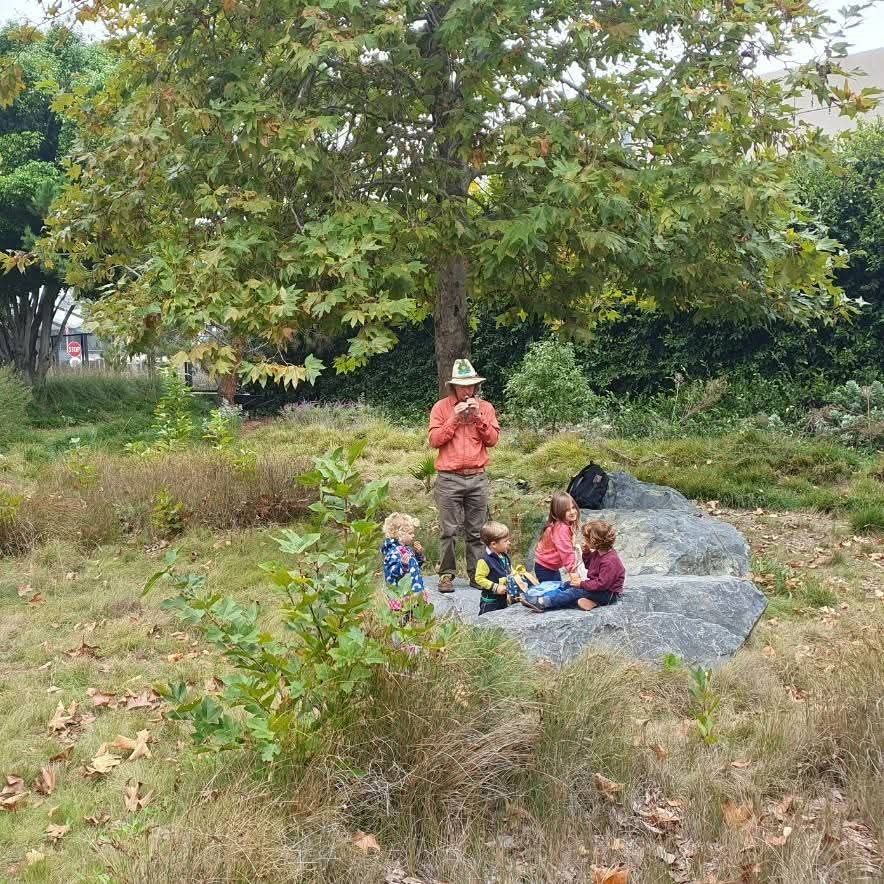
A pause under the sycamore. Looking, naming, listening.
Getting there
Reading a transit map, catching the bus, minding the time. The quiet skills of moving through a city.
Being there
Looking closely, drawing, asking questions, and talking with the people and places we meet.
Getting home
The confidence of having found the way once, and knowing you could find it again.
Who it's for
Three ages
of explorer
The program began with teens, but the younger explorers have amazed me. Once getting around the city is the task, they rise to it, and their independence, confidence, and resourcefulness grow with every outing.
Philip Guest
Early Explorers
Kindergarten – 1st gradeThe foundation is experience.
Junior Explorers
ElementaryA feeling for connection with diversity.
Explorers
Middle & High SchoolCritical engagement with urban and civic themes.
What we explore
Five ways in
Days, weeks, or whole programs are tailored to age, interest, and, always, the weather. Past outings gather under five themes, with Arts and Nature the constant companions running through them all. Hover or tap any card to look through its album.
Hover a theme to look closer.
Origin Story
It began with a bus map
It grew, the way the best things do, from one good idea into a program with its own life.
“In every case I've been amazed not just by how capable the students are, but how they gain in confidence and independence through real-world adventures.”
Philip Guest
Freedom & Independence for Teenagers
Urban Homeschoolers asked Philip to build a spring-break camp teaching teens to get around town without a parent at the wheel. The theme: the history of LA transport: red cars, trains, boats, planes, automobiles.
This City Is Our School
The camp became a year-round program, and then multi-age, with parallel tracks for teens and juniors.
Journey School
A preschool version grew out of the Friday Park Days at the Mulberry Tree, the same adventures, scaled for the smallest explorers.
A Day in the World Outside
One day Philip
particularly enjoyed
Every day is different, shaped by weather, season, and the group. Here's one that got the balance just right, followed end to end, the way the children traveled it.
Meet in the park
Arrive, play, snack, bathrooms. The morning settling-in before anything moves.
Catch the bus
Tickets, a window seat, watching the city slide past. The trip is half the lesson.
The Botanical Gardens
A creek to follow and endless options for hide-and-seek. Time to explore at a child's pace.
Lunch by Royce Hall
Up to the central lawns to eat and stretch out under the open sky.
Library quiet time
A while of calm: read, rest, or once you're done, off to play by the fountains with a second chaperon.
Walk to the Fowler Museum
The whole group reunites and sets off together on foot.
Art in the afternoon
Extraordinary, and completely accessible, the kind of looking these days are built for.
Rush for the bus, home on time
Back the way we came, tired and proud, exactly when we said we would be.
Along the way, Philip shares photos and updates, so families can follow the journey from home.
Philip paints a map by hand before every trip. See how many places you can name.
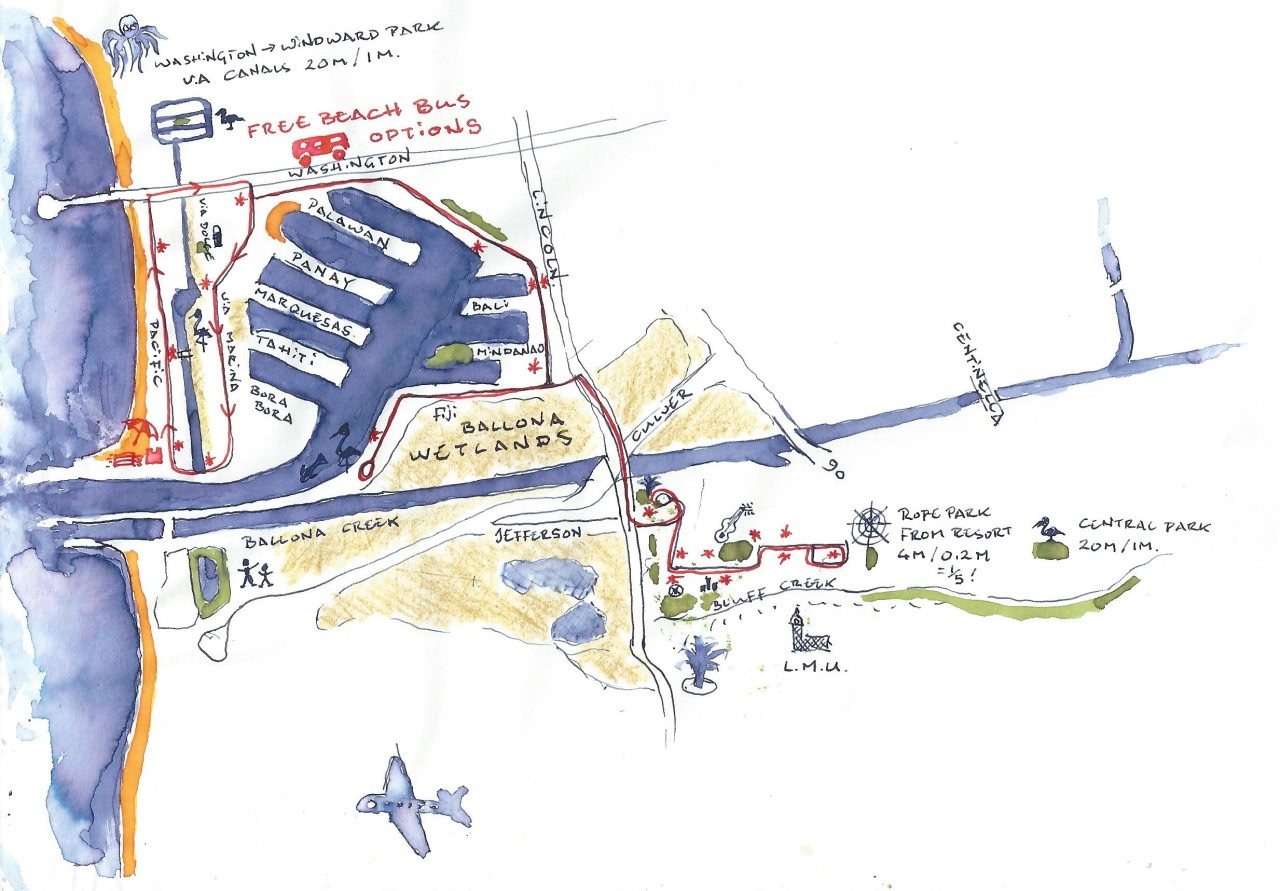
From the beach and the Ballona Wetlands out toward LMU, with the free beach bus and walking paths marked in red, so the children can picture the day before they set out.
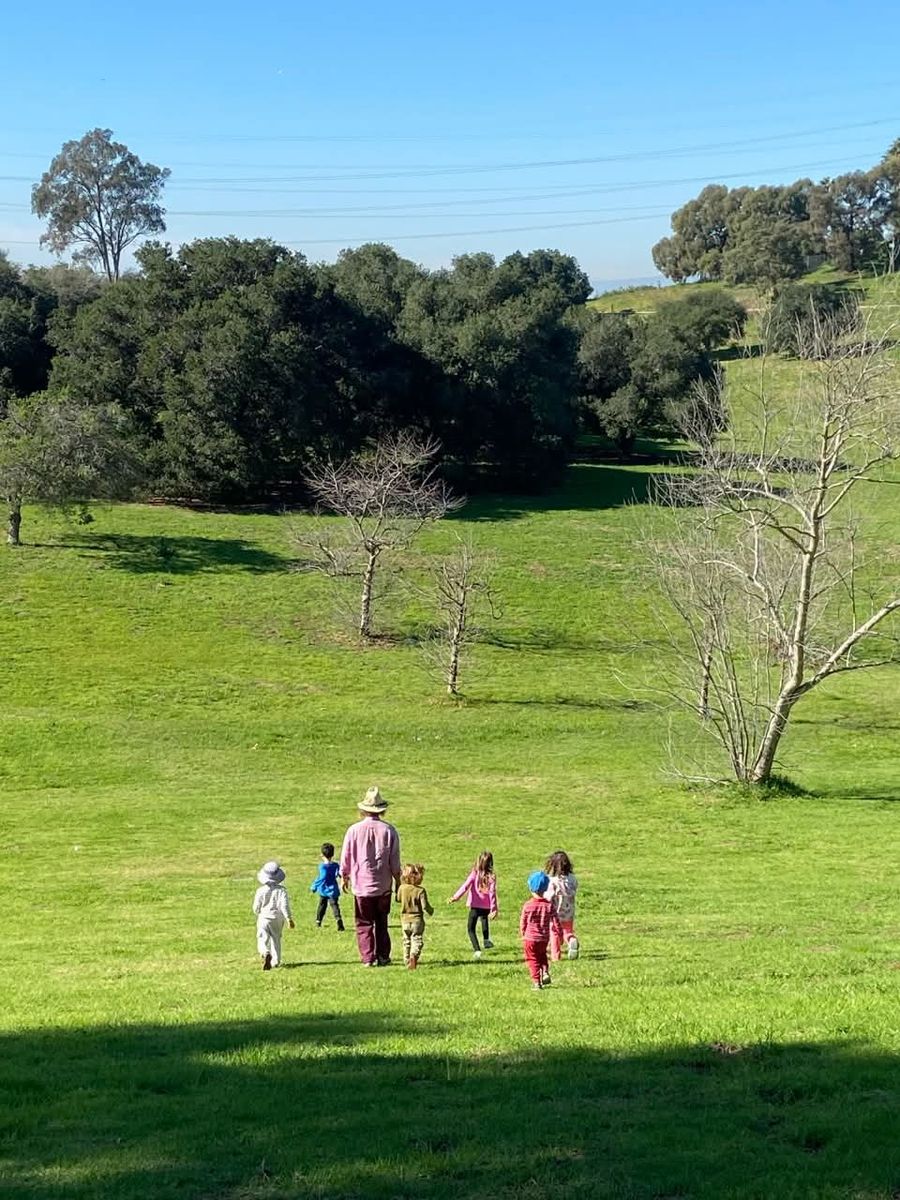
Glimpses
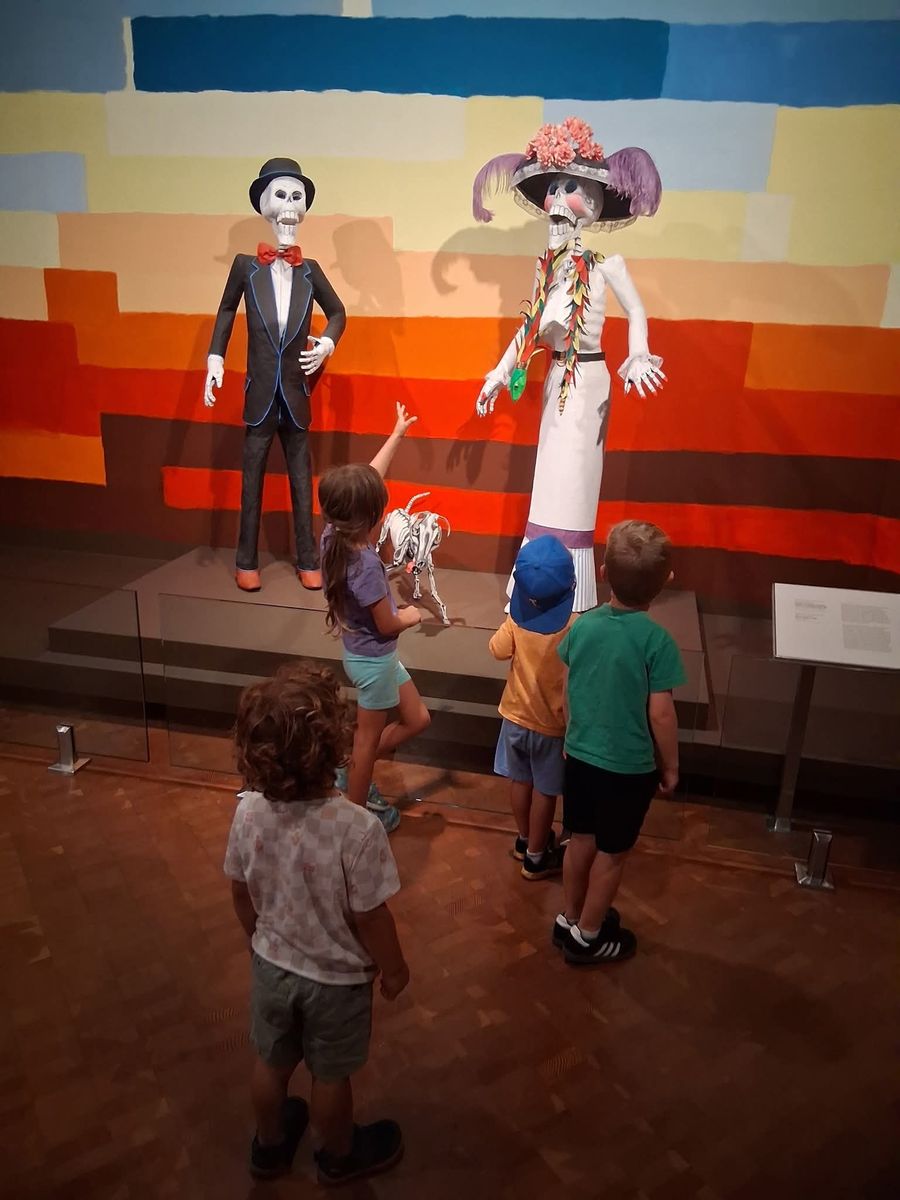
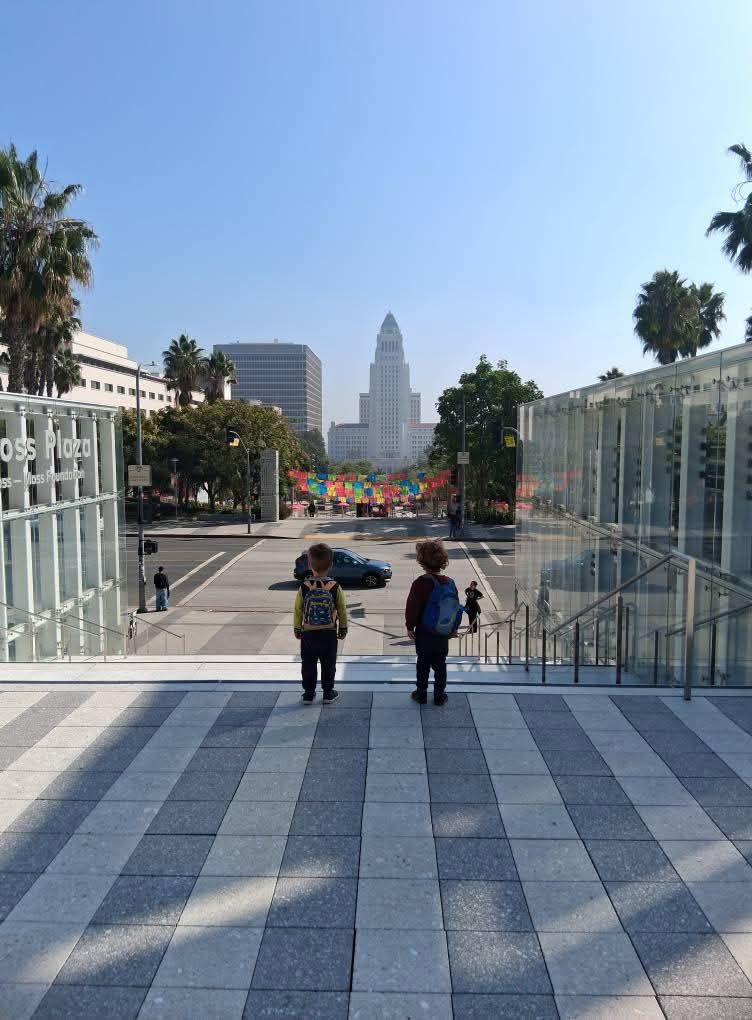
From the road

About
Philip Guest
Originally from the UK, Philip has taught in Waldorf schools across Southern California for more than a dozen years, and now teaches student teachers at the Waldorf Institute of Southern California, in subjects including Astronomy, Geometry, and Approaches to Science.
Still rooted in Waldorf principles, he's restless for new ways of learning, ones that recognize and meet the particular qualities of each child. He's a committed collaborative teacher; on a good day, he'll tell you he learns as much as the students. And he's genuinely taken with the democratic spirit of homeschooling.
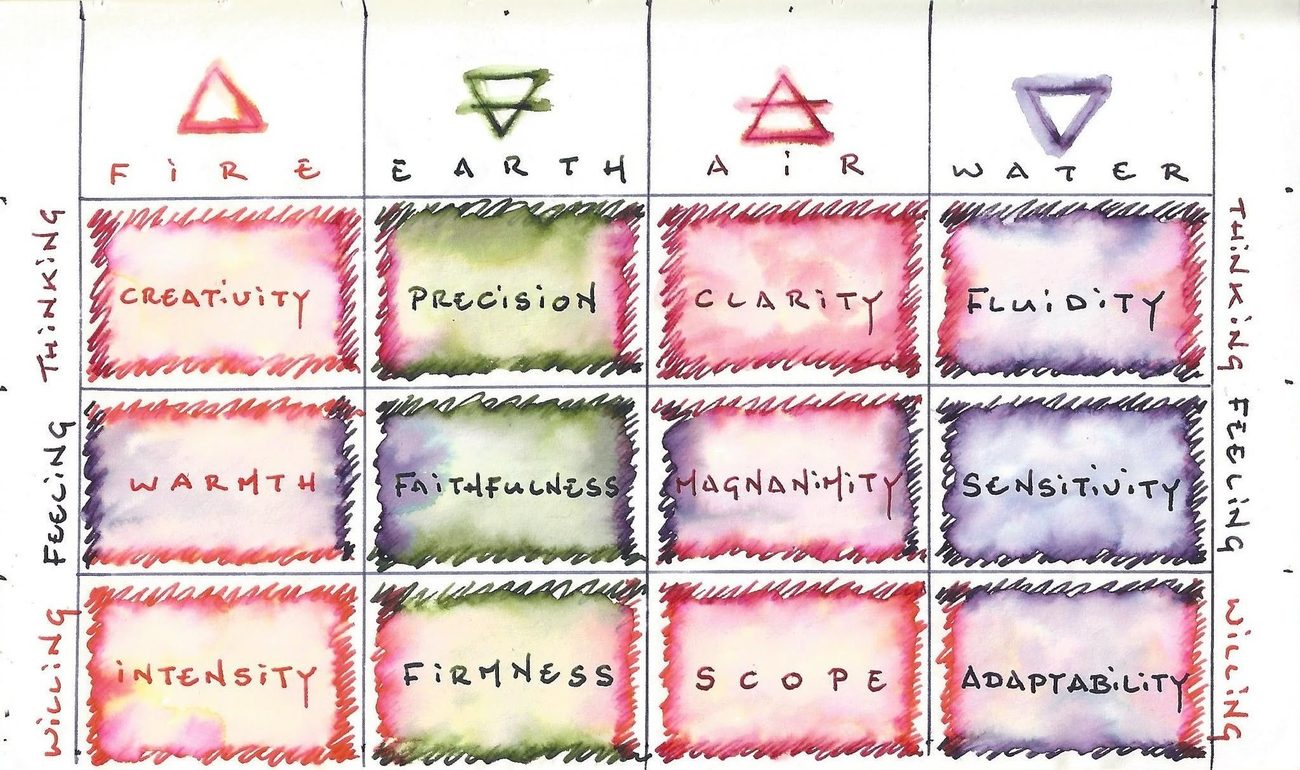
Away from the group, Philip works with his hands: geometry, calligraphy, watercolor. The maps he draws for each trip are painted, not printed, and the drawings here are all his.
Previously
Class Teacher, Westside Waldorf, Class of 2012 · 2008–2012, Pacific Palisades
Class Teacher, Westside Waldorf School · 2007–2012
Class Teacher, Waldorf School of Orange County · 1999–2006
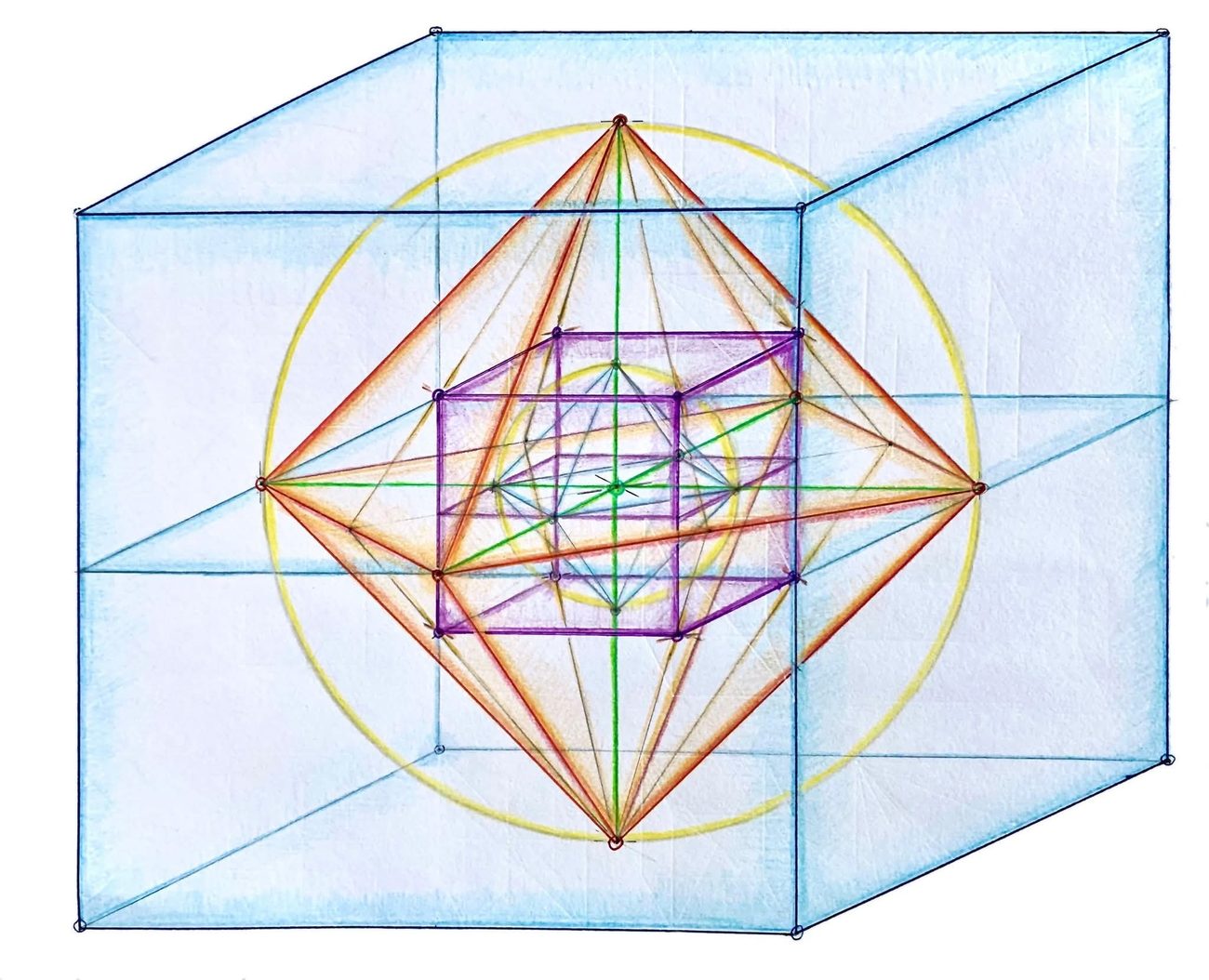
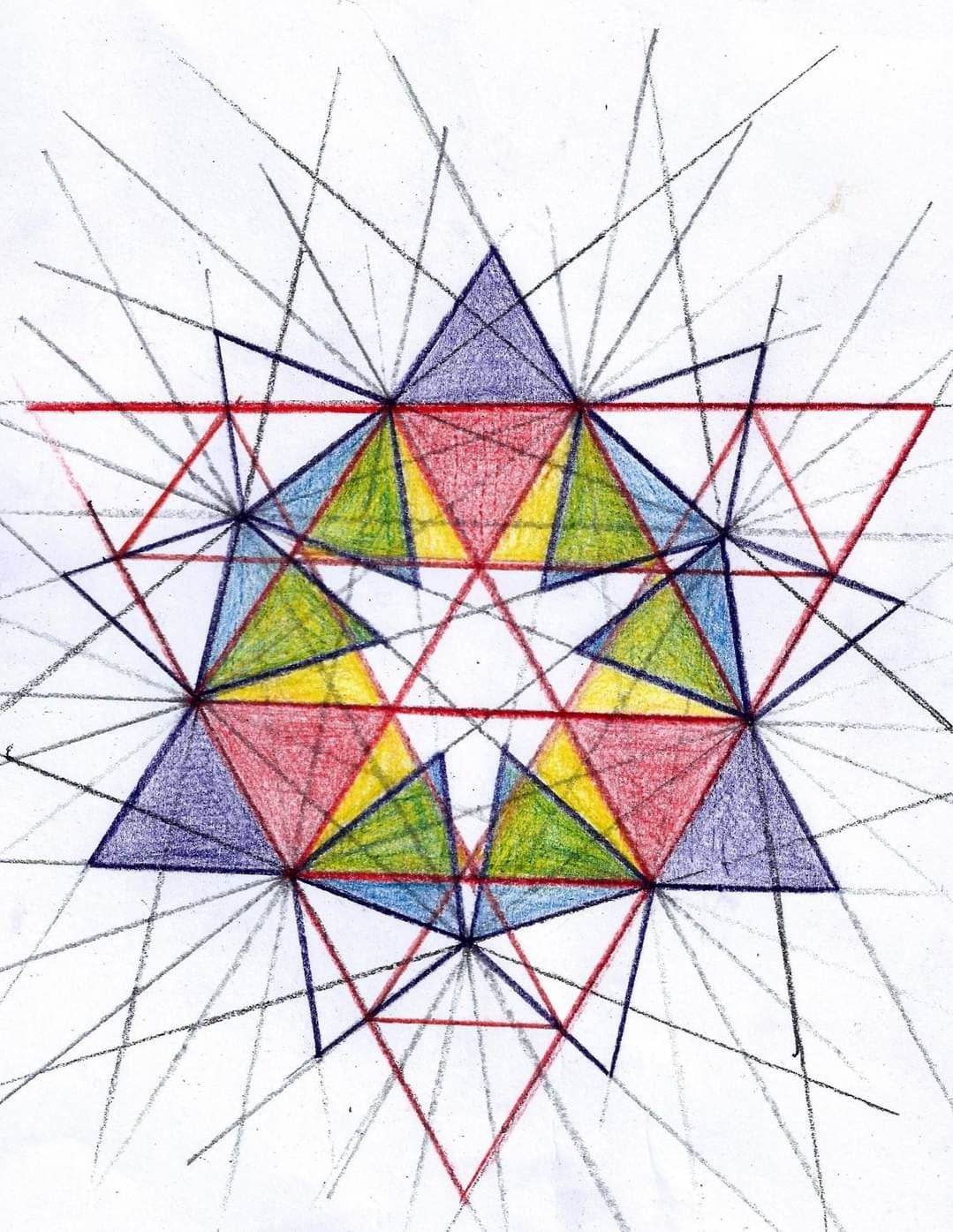
Geometry, astronomy, watercolor. The same close attention he brings to a city block.
The Way We Travel
A few agreements
Rules are the edges of the field where our play and exploration can safely happen. These are ours.
Mutual respect
Treat everyone, and everything, well.
- Respect over friendship. Not everyone has to be your best friend, but everyone deserves to be treated with respect.
- Check in. If someone seems upset, ask, even if everything looks fine to you. "I'm sorry, I didn't mean to" works wonders.
- Hold any hand. Crossing the street safely is what matters; whose hand you hold doesn't.
- No exclusion. Play is inclusive or solitary. No cliques, no leaving people out.
- Respect goes wide. To everyone we meet, however different they look, move, act, or smell, and to every creature, plant, and place. (Mosquitoes excepted. 😄)
Coming prepared
A good day starts with a good backpack.
- Carry your own pack. Water, two snacks, lunch, extra layers, and a change of clothes in a sealable bag, labeled with a name and number.
- Follow safety cues. Some spaces are for play; busy crossings and rail platforms are not. Clear, simple instructions keep everyone safe.
- Quiet time counts. A library or a blanket under a shady tree. No need to nap, just settle and soften for a while.
- Share and take turns. The foundation of courtesy.
- Mistakes are welcome. Every experience, even a wrong turn, is a chance to learn. Guilt and shame have no place here.
Health & Safety
Adventure, carefully held
Independence for them. Reassurance for you.
Real exploration means real care. Trips are planned with weather and ability in mind, supervised throughout, with sensible limits and a first-aid kit always on hand.
A full handbook covering the code of conduct, health & safety, and registration and liability waivers is shared with every enrolling family.
Come along
Travel the city with us
World Outside runs on conversation. Curious about the program, or just want to know more? Send Philip a note. No commitment, just hello.
Note received!
Thanks for reaching out. Philip will be in touch soon. See you out in the world.